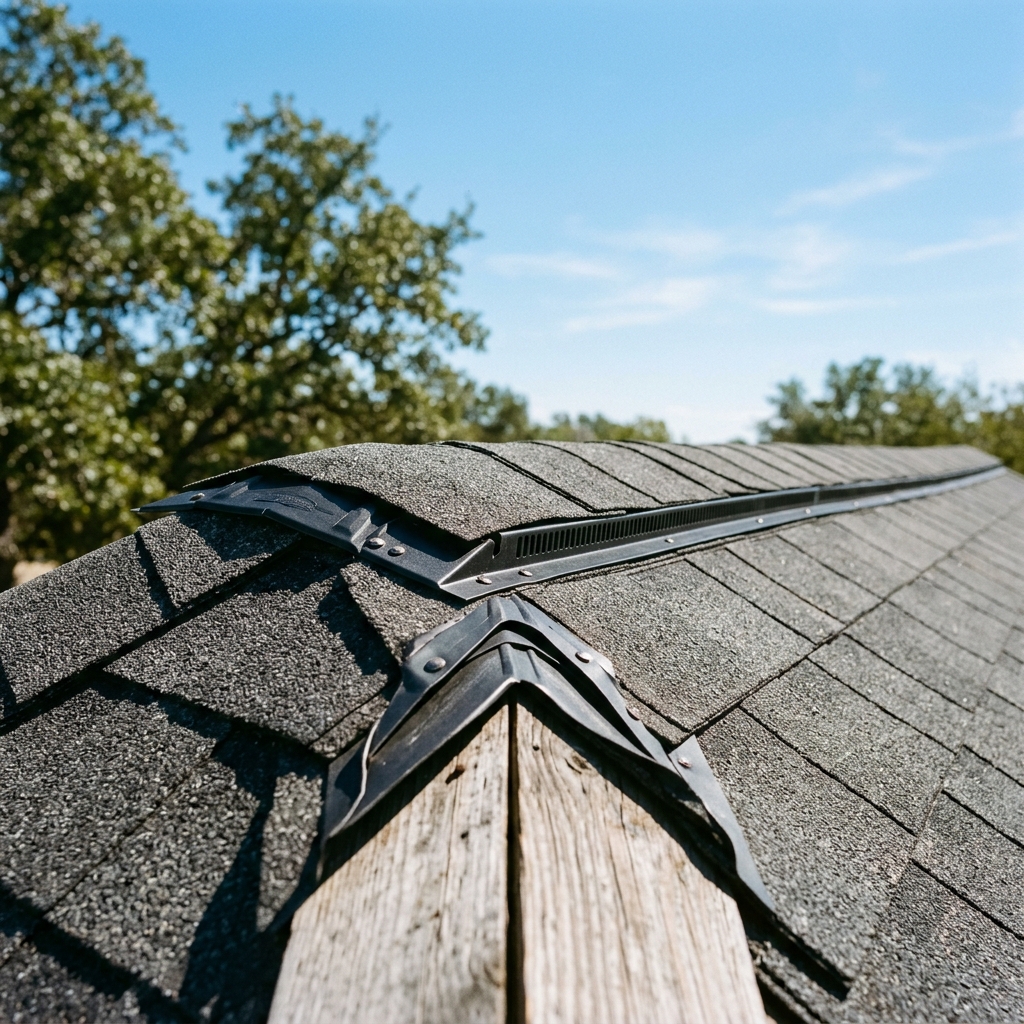
The Hidden System That Protects Your Roof
When homeowners think about a roof, they usually picture the visible shingles or metal panels. However, what happens underneath the shingles in your attic space is just as critical to the health of your home. Without proper attic ventilation and insulation, heat and moisture build up, leading to rot, mold, high utility bills, and winter ice dams that can destroy your gutters and roof edges.
At Emerald Sunrise Roofing, we ensure every roof replacement includes a comprehensive review of the attic's airflow system. Here is why proper ventilation is essential for Washington homes.
The Dangers of Poor Ventilation
An unventilated or poorly ventilated attic acts like an oven in the summer and a humid swamp in the winter:
- Summer Heat Buildup — On hot days, attic temperatures can soar above 150°F. This heat bakes your shingles from the inside out, causing them to curl, blister, and fail prematurely. It also radiates down into your living space, forcing your AC to work harder.
- Winter Moisture & Condensation — Daily activities like cooking, bathing, and cleaning release moisture into your home. This warm, humid air rises into the attic. If the attic is cold and unventilated, the moisture condenses on the cold wooden rafters and roof deck, leading to wood rot, sagging, and dangerous black mold. This moisture can also travel down into shingles, complicating moss and algae control.
- Ice Dams — During winter snowstorms, heat escaping from a poorly insulated attic warms the upper roof deck, melting the snow. As the water flows down to the cold roof edge, it refreezes, creating an ice dam. Ice dams back water under shingles and pull down gutters. If you have storm or ice damage, check out our guide on handling storm damage insurance claims.
How a Balanced Ventilation System Works
A proper ventilation system must be balanced, meaning it has equal parts intake and exhaust:
- Intake Vents (Soffit/Eave Vents) — Located under the eaves, these vents pull cool, fresh air into the attic space.
- Exhaust Vents (Ridge/Gable Vents) — Located at the highest points of the roof (the ridge), these vents allow hot, humid air to escape naturally.
This continuous, passive airflow keeps the attic temperature close to the outdoor temperature, preventing condensation and heat damage. Modern Washington state building codes require specific ratios of attic ventilation area to total floor area, and our teams design every system to meet or exceed these requirements during a roof replacement project.
💡 Insulation Balance Tip
Never cover your soffit vents with insulation. Use attic baffles (raft wind guards) to create a clear channel for air to flow from the soffit vents over the insulation pile and into the open attic space.
Schedule a Professional Attic Assessment
A healthy roof requires a healthy attic. If you notice moldy smells, peeling paint on your ceiling, or excessive ice during winter, have a professional roofer inspect your ventilation system. Contact our team to book a detailed assessment.