Navigating Roof Storm Damage and Insurance Claims
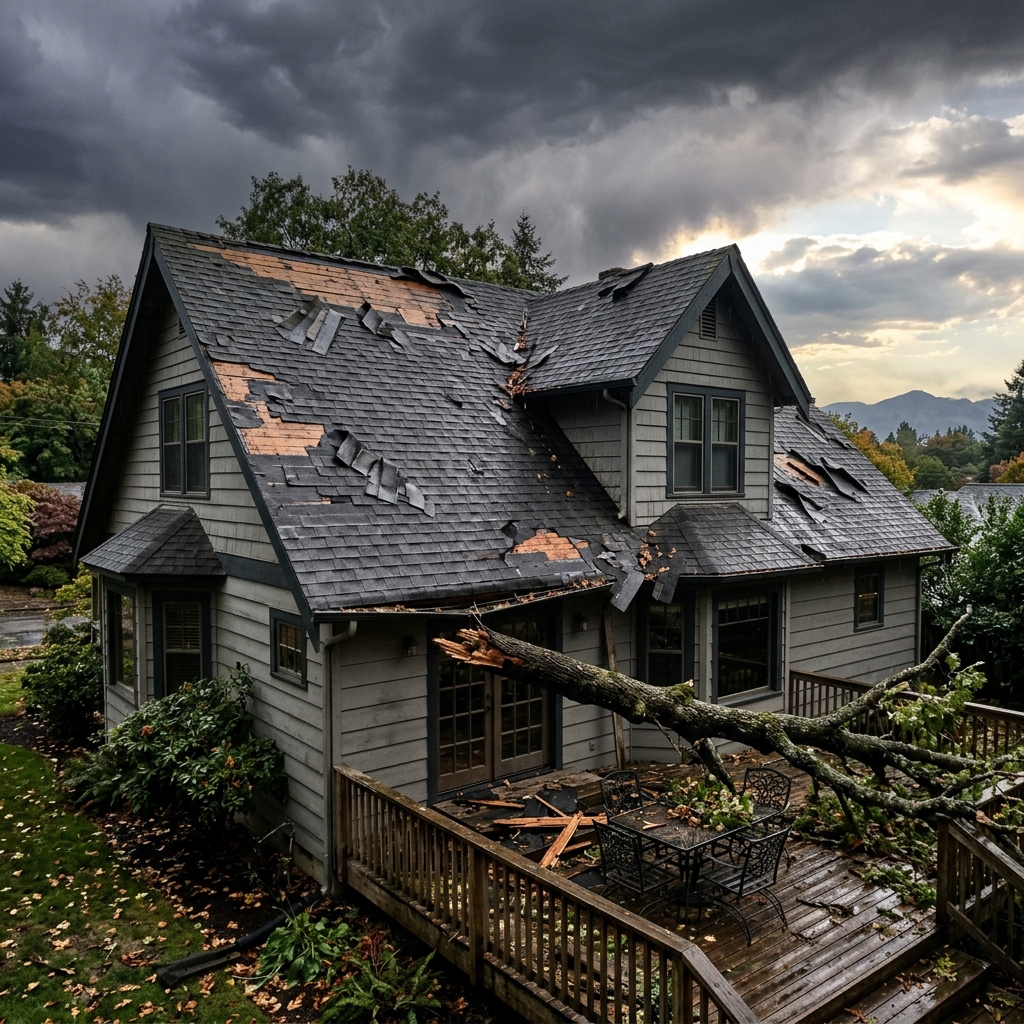
Pacific Northwest storms can bring fierce winds, heavy snow, and falling tree branches that threaten your roof's integrity. When storm damage occurs, many homeowners feel overwhelmed by the prospect of dealing with insurance companies. Understanding how to identify damage, document the evidence, and work with your insurance adjuster is crucial to getting your claim approved and your roof repaired quickly.
Emerald Sunrise Roofing has years of experience helping Federal Way homeowners navigate storm restoration and insurance claims. Here is our step-by-step guide to a successful claim.
How to Identify Storm Damage
Not all storm damage is obvious from the ground. While a fallen tree is impossible to miss, wind and hail damage can be subtle but equally destructive:
- Wind Damage — High winds can lift, crease, or completely tear shingles off. This exposes the underlayment to immediate water leaks. Flashing around chimneys and vents can also be lifted or torn.
- Hail Damage — Hail creates small, bruised divots in asphalt shingles, knocking away the protective granules and exposing the asphalt mat underneath to UV rays and water. Over time, these spots deteriorate and leak.
- Impact Damage — Falling tree limbs can crack shingles, damage gutters, and compromise the structural roof deck.
The Insurance Claims Step-by-Step Process
If a severe storm has hit your area, follow these steps to protect your property:
- Document Everything — Take clear photos of your yard, any fallen branches, dented gutters, and visible roof damage from the ground. Keep a log of the date and time of the storm.
- Get a Professional Inspection — Before filing a claim, have a certified roofing contractor inspect your roof. They will provide a detailed damage report and a replacement quote. Refer to our roof replacement cost guide to understand typical replacement pricing.
- File the Claim Promptly — Contact your home insurance company and file the claim using your contractor's damage report. Most policies have a strict time limit (usually 1 year) to file a storm claim.
- Meet the Adjuster — Your insurance company will send an adjuster to inspect the roof. It is highly beneficial to have your roofing contractor present during this meeting to ensure the adjuster doesn't overlook any structural damage or ventilation issues. Improper ventilation can complicate structural claims. Read about these considerations in our guide on attic ventilation and moisture damage.
💡 Emergency Mitigation Reminder
As a homeowner, you are legally required to prevent further damage to your property after a storm. If your roof is leaking, you must have it tarped immediately. Keep receipts for emergency tarping, as insurance companies typically reimburse these mitigation costs in full.
Need Help with a Leak or Storm Damage?
We provide rapid response tarping and comprehensive documentation for insurance claims across Federal Way. Visit our storm damage repair and emergency roof repair pages to get immediate professional assistance.